 Echonomia Post
At 7 a.m. Eastern Time today, the price of oil sits at $102.05 per barrel, using Brent as the benchmark. That’s an increase of $2.20 since yesterday morning and roughly $35 more than at this time last year.
Supply and demand remain the main drivers of oil prices, with fears of economic slowdown, conflict, or similar shocks causing sharp price movements. The price you see at the gas pump reflects costs of refining, distribution, taxes, and station margins, with crude oil being the largest driver, typically over half of each gallon’s cost. Spikes in oil prices tend to push gas prices higher quickly, while declines ease gradually.
The U.S. Strategic Petroleum Reserve helps stabilize prices during emergencies by providing immediate support to consumers and critical industries. Oil and natural gas prices are linked; increased oil prices may shift some industries to natural gas, affecting demand.
Historical oil prices have been volatile, influenced by wars, recessions, OPEC decisions, and energy policies. Key benchmarks include Brent crude (global) and WTI (North America). The U.S.
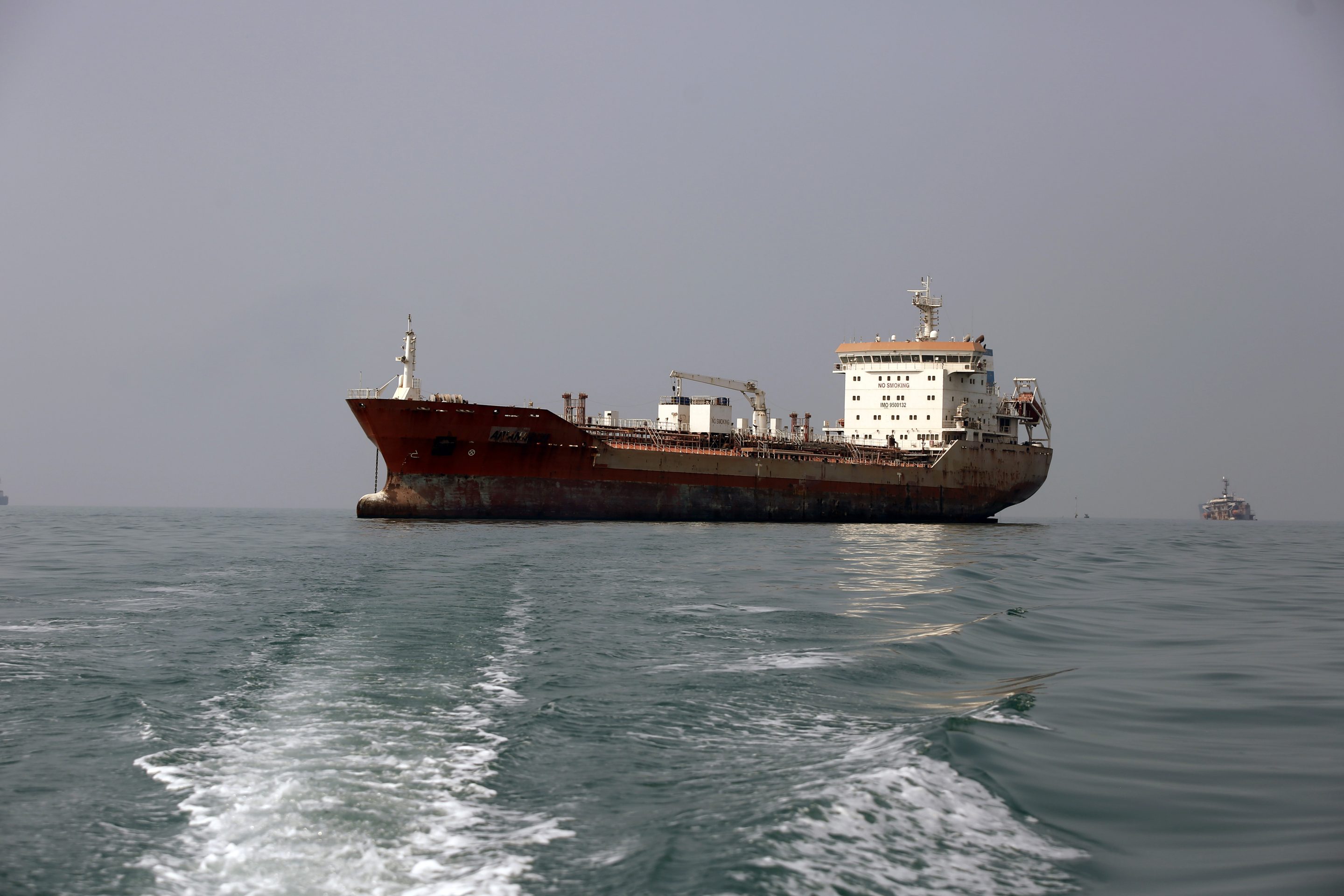
Energy Information Administration now uses Brent as its primary reference. Recent geopolitical events, such as Iran targeting U.S. Navy warships, have raised concerns about oil supply disruptions.
Oil prices are determined by supply, demand, geopolitics, and U.S. drilling policies, such as the Trump administration’s 2025 decision to reopen Arctic National Wildlife Refuge for drilling.
Source: fortune.com