 Echonomia Post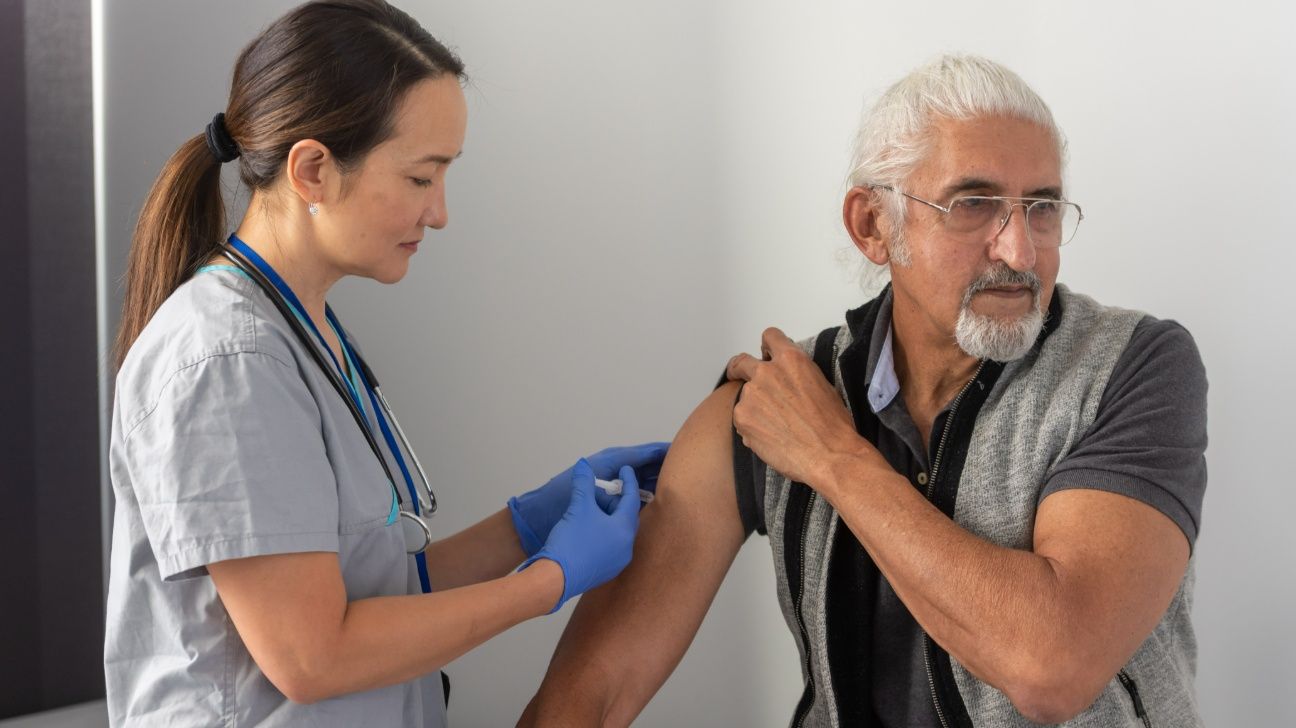
Recent research shows that the shingles vaccine may help reduce the risk of cardiovascular disease. A recent study found that the recombinant shingles vaccine (Shingrix) was associated with a 9% lower cardiovascular disease burden compared with the older live vaccine (Zostavax). Researchers observed lower burdens of coronary heart disease, heart failure, ischemic stroke in men, and atrial fibrillation (AFib) among those who received Shingrix. The CDC recommends the shingles vaccine for all adults ages 50 and older, as well as adults ages 19 and older who are or will be immunocompromised.
The United States began transitioning from Zostavax to Shingrix in 2017, and Zostavax was discontinued in the United States in 2020. The study, published in Nature Medicine on August 26, compared 72,920 adults aged 60 and over: half received Zostavax between April and September 2017, and the other half received Shingrix between April and September 2018. Participants who received Shingrix had a 9% lower cardiovascular disease burden over seven years, with specific reductions of 10% for coronary heart disease, 12% for heart failure, 12% for ischemic stroke in men, and 7% for atrial fibrillation.
Cardiologists Kevin Shah and Kaustubh Dabhadkar suggested that the association may be due to reduced inflammation, as shingles triggers significant inflammatory responses and chronic inflammation is linked to atherosclerosis. The study authors noted that the effect size was larger and occurred quickly, supporting this hypothesis. However, the study is observational and cannot prove causation; further research is needed to confirm these findings.
The main difference between Shingrix and Zostavax is that Shingrix is a recombinant vaccine containing engineered viral proteins, while Zostavax was a live attenuated vaccine. Shingrix offers 90% protection against shingles and remains effective over time, whereas Zostavax provided only about 50–60% protection and effectiveness waned. Shingrix is a two-dose system, usually spaced 2–6 months apart, and is widely available, unlike Zostavax, which has been discontinued in many markets.
Shingles is caused by the varicella-zoster virus, which can reactivate later in life, especially in adults aged 50 and older. The two-dose vaccine is also recommended for immunocompromised adults aged 19 and older.
Source: Healthline